The Decision She Didn’t Make (And Why It Mattered More)

There’s a moment in leadership that doesn’t look significant but it changes everything.
You’re in a meeting.
A decision lands on you.
People are waiting.
And you feel it – that pressure to respond quickly.
So you do what most leaders are trained to do.
You move.
Cross-Functional Decisions: Why ‘Let’s Align’ Is Slowing You Down

“I know what I would do… I’m just not sure it’s the right decision.”
A senior leader said this in a recent leadership session at Passion Wheel Coaching.
The room went quiet.
She wasn’t confused. She wasn’t underprepared.
She knew exactly what she was leaning toward.
The Fixer Trap: Why Leaders Who Solve Problems Create Team Dependency

Leaders who solve every problem often create team dependency—here’s how to break the fixer trap and build real ownership.
She didn’t set out to become the bottleneck.
Early in her career, she was the person everyone relied on.
The Visibility Gap: Why High Performers Get Overlooked For Promotion

You’re doing everything right.
And yet, in the room where promotions are decided… your name doesn’t come up.
You deliver consistently.
You’re trusted.
You get things done.
Still, when the next role is discussed, you hear:
“Not yet.”
This is where many high performers start to feel frustrated.
Feeling Like an Imposter at the Next Level? It Might Be a Sign You’re Growing

Many leaders expect that reaching the next level should feel comfortable because they’ve earned it. Instead, growth introduces unfamiliar responsibilities that stretch our thinking in entirely new ways. And this discomfort isn’t proof that you don’t belong.
Managing Conflicting Stakeholder Expectations: Why Alignment Matters More Than Agreement

Why your next career move is less about choosing the right role and more about becoming the leader your future requires.
Why Delegation Alone Doesn’t Create Ownership?

Every leader reaches a point where working harder is no longer the answer.
The team is capable. The business is growing. Yet every important decision still finds its way back to the leader. Meetings pause until they’re available. Projects slow when they’re travelling. Calendars fill up because leaders continue to make the decisions instead of enabling others to make them.
Clarity Gets You Hired
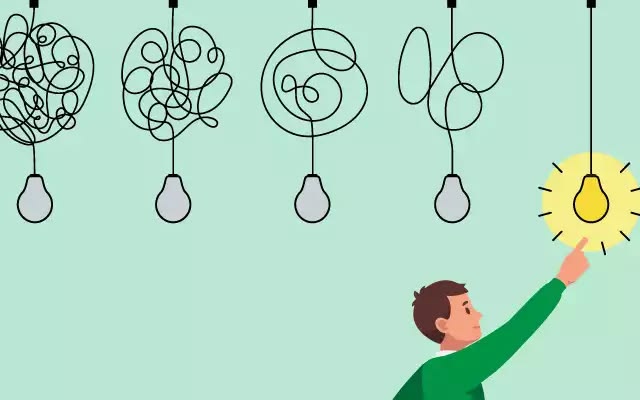
The Story Beneath the Story: Why Smart Leaders Lose Perspective in Difficult Conversations
A leader I was partnering with recently reflected on a difficult conversation with a colleague.
The discussion had become tense.
Why Smart Leaders Lose Perspective in Difficult Conversations

The Story Beneath the Story: Why Smart Leaders Lose Perspective in Difficult Conversations
A leader I was partnering with recently reflected on a difficult conversation with a colleague.
The discussion had become tense.
A Coaching Methodology for Meaningful Growth – **Intention – Attention – Achievement**

In a world that constantly urges us to do more and move faster, it’s easy to lose sight of why we’re doing it all. My coaching methodology is built on three foundational pillars: Intention, Attention, and Achievement. These aren’t just abstract concepts—they’re practical tools for aligning your life with your deepest values and aspirations.
How to Lead and Influence Your Stakeholders in a Hybrid Team?

Leading and influencing stakeholders in a hybrid or remote work environment presents unique challenges. Without natural opportunities for in-person interactions, building trust, fostering collaboration, and ensuring inclusivity requires a more intentional approach. However, when leaders take visible and consistent actions, relationships become more meaningful, and workplaces become more equitable.